Thursday, October 22, 2020

Artificial Intelligence to predict heart disease via the eyes

(c) iaidl.org

An international collaboration of researchers has developed an autonomous artificial intelligence that is able to predict the risk of cardiovascular disease in patients through the blood vessels of the retina. The results of the study were published in the journal Nature Biological Engineering.

Wednesday, October 21, 2020

Study reveals significant restoration of retinal and visual function following Gene Therapy

(c) Nature Biomedical Engg
A breakthrough study, led by researchers from the University of California, Irvine, has demonstrated restoration of retinal and visual functions of mice models suffering from inherited retinal disease.

Published today in Nature Biomedical Engineering, the paper, titled, “Restoration of visual function in adult mice with an inherited retinal disease via adenine base editing,” illustrates the use of a new generation CRISPR technology and lays the foundation for the development of a new therapeutic modality for a wide range of inherited ocular diseases caused by different gene mutations.

Saturday, October 17, 2020

World's first transplant of iPS visual cells for retinal disease

(c) Kyodo News
The world's first clinical trial of a transplant of visual cells derived from induced pluripotent stem cells, or iPS cells, to treat a patient with pigmentary retinal degeneration was performed without any complications in Japan.

Wednesday, October 14, 2020

Is there any evidence of energy drinks causing retinal damage and visual impairment?

(c) Ophthalmology Management
In a recent presentation at the virtual EURETINA meeting, a study from Turkey suggests consumption of energy drinks may lead to acute, reversible changes in retinal vascular density parameters.

Friday, October 9, 2020

Is it possible for us humans to regenerate our eyes? Research points to a possibility.

(c) elifesciences.org
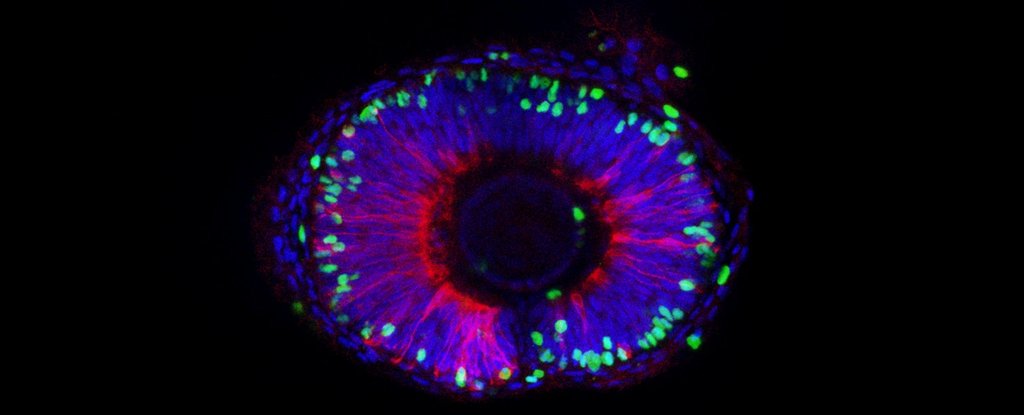
Damage to the retina is the leading cause of blindness in humans, affecting millions of people around the world. Unfortunately, the retina is one of the few tissues we humans can't grow back. 

Unlike us, other animals such as zebrafish are able to regenerate this tissue that's so crucial to our power of sight. We share 70 percent of our genes with these tiny little zebrafish, and scientists have just discovered some of the shared genes include the ones that grant zebrafish the ability to grow back their retinas.

Wednesday, September 23, 2020

COVID-19 and the Retina - how does this Coronavirus affect the back of the eye?

(c) Wikipedia
COVID-19 can affect the retina. Retinal vein diameter seems directly correlated with the disease severity. Its assessment could have possible applications in the management of COVID-19.

As the coronavirus pandemic evolves and spreads worldwide, more information emerges on how the virus affects the body. What was once a respiratory illness has now become a systemic infection, affecting multiple organs.

Monday, September 21, 2020

AI Algorithm Helps Screen COVID-10 patients based on Eye Images

(c) Yanwei Fu
Scientists describe a potential screening method for COVID-19 based on eye images analyzed by artificial intelligence. Scanning a set of images from several hundred individuals with and without COVID-19, the tool accurately diagnosed coronavirus infections more than 90 percent of the time, the developers reported in a preprint posted to medRxiv September 10.