Showing posts with label Retina. Show all posts

Tuesday, April 22, 2025

Stimulating the retina to allow people to see a brand new color

A team of engineers, computer scientists and ophthalmologists at the University of California, Berkeley, working with a pair of colleagues at the University of Washington, has developed a technique for stimulating the retina that allows people to see a color not normally seen by humans.

In their study published in the journal Science Advances, the group identified certain photoreceptors in volunteers and then stimulated them to allow those volunteers to see the unique color, which the team has named "olo."


Wednesday, July 13, 2022

Blinding eye disease is strongly associated with heart disease and stroke

(c) Ophthalmology Retina

Patients with a specific form of age-related macular degeneration (AMD), a leading cause of blindness in the United States, are at significant risk for cardiovascular disease and stroke, according to new research from New York Eye and Ear Infirmary of Mount Sinai. This study, published in the July issue of Retina, is the first to demonstrate a link between the disorders.

Thursday, March 11, 2021

Evidence of Retinal damage may indicate increased risk of Stroke and Dementia

(c) Progress in Retinal & Eye Research
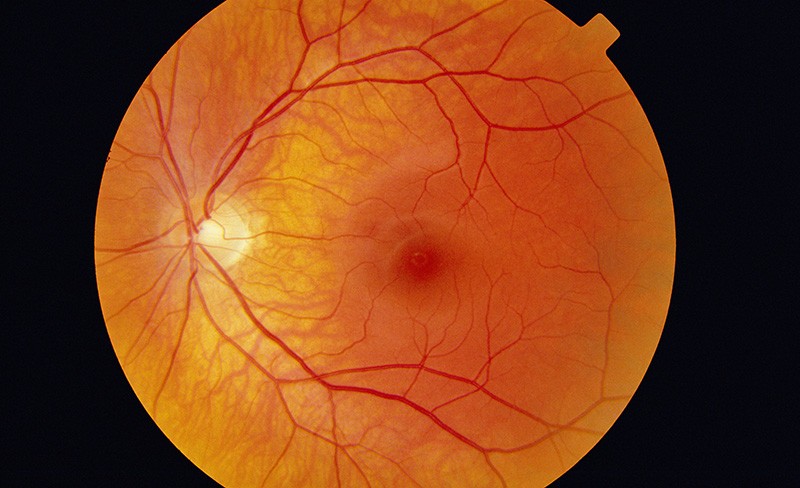
Pictures of the retina may someday provide early warning signs that a person is at an increased risk of stroke and dementia, making it possible to take preventive measures, according to preliminary research to be presented at the American Stroke Association’s International Stroke Conference 2021. 

Saturday, October 17, 2020

World's first transplant of iPS visual cells for retinal disease

(c) Kyodo News
The world's first clinical trial of a transplant of visual cells derived from induced pluripotent stem cells, or iPS cells, to treat a patient with pigmentary retinal degeneration was performed without any complications in Japan.

Wednesday, October 14, 2020

Is there any evidence of energy drinks causing retinal damage and visual impairment?

(c) Ophthalmology Management
In a recent presentation at the virtual EURETINA meeting, a study from Turkey suggests consumption of energy drinks may lead to acute, reversible changes in retinal vascular density parameters.

Friday, October 9, 2020

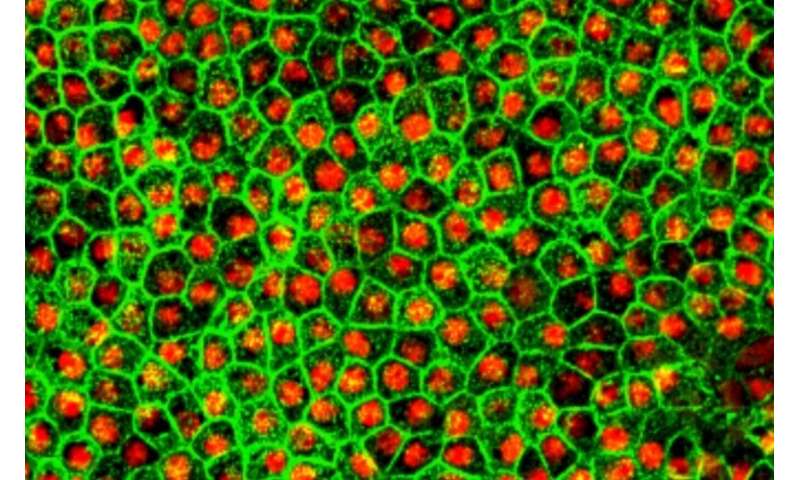
Is it possible for us humans to regenerate our eyes? Research points to a possibility.

(c) elifesciences.org
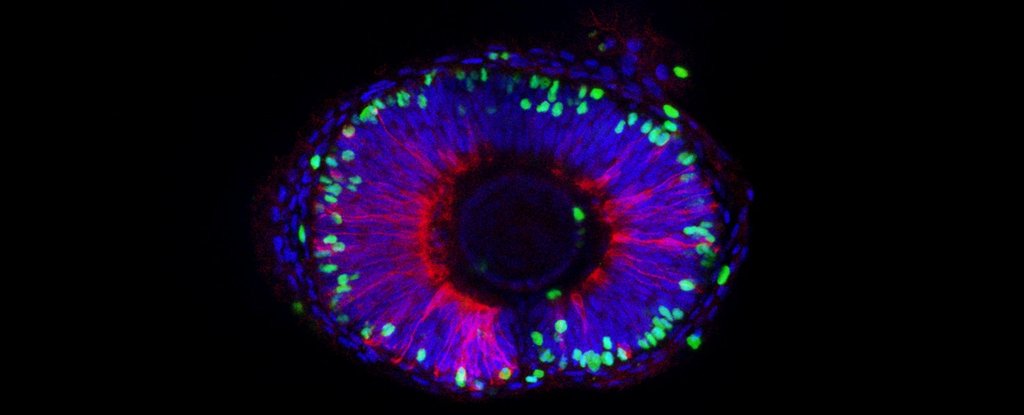
Damage to the retina is the leading cause of blindness in humans, affecting millions of people around the world. Unfortunately, the retina is one of the few tissues we humans can't grow back. 

Unlike us, other animals such as zebrafish are able to regenerate this tissue that's so crucial to our power of sight. We share 70 percent of our genes with these tiny little zebrafish, and scientists have just discovered some of the shared genes include the ones that grant zebrafish the ability to grow back their retinas.

Wednesday, September 23, 2020

COVID-19 and the Retina - how does this Coronavirus affect the back of the eye?

(c) Wikipedia
COVID-19 can affect the retina. Retinal vein diameter seems directly correlated with the disease severity. Its assessment could have possible applications in the management of COVID-19.

As the coronavirus pandemic evolves and spreads worldwide, more information emerges on how the virus affects the body. What was once a respiratory illness has now become a systemic infection, affecting multiple organs.

Monday, September 14, 2020

New OCT technique offers better potential in retinal stem cell and gene therapy treatment


Researchers at the University of Washington have modified the standard process of OCT (optical coherence tomography) to detect minute changes in response to light in individual photoreceptors in the living eye. The technique has potential in the testing of therapies such as stem cells or gene therapy to treat retinal disease.

Thursday, April 2, 2020

Embryonic stem cells for treating blindness

Researchers at Karolinska Institutet and St Erik Eye Hospital in Sweden have discovered a way to refine the production of retinal cells from embryonic stem cells for treating blindness in the elderly.

Using CRISPR/Cas9 gene editing, they also modified the cells so that they can hide from the immune system to prevent rejection.

Thursday, February 20, 2020

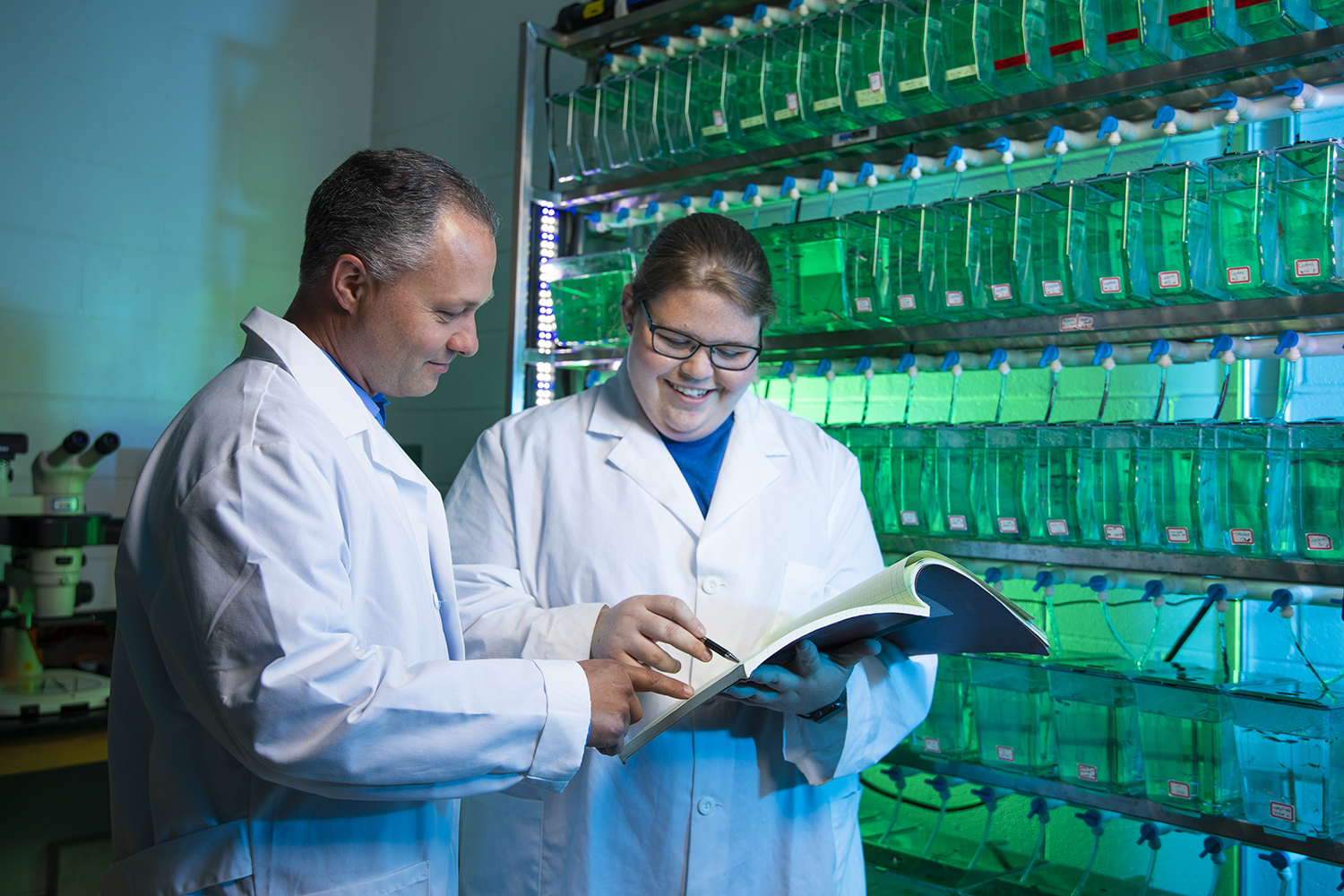
Human blindness could be cured utilizing Zebrafish's capability to regenerate its retina

Researchers are looking into how a unique characteristic of a zebrafish can regenerate retinas in humans and keep people seeing as they age.

Zebrafish might be tiny, but they come with some supersized powers. But unlike mammals, they are able to regenerate parts of their retina if they become injured. That is why researchers from Vanderbilt University Medical Center are studying how this characteristic of zebrafish can help humans dealing with age-related vision loss due to damage to the retina.

Sunday, June 30, 2019

Low-Cost OCT Retinal Scanner Could Help Prevent Blindness Worldwide

(c) Duke University
Biomedical engineers at Duke University have developed a low-cost, portable optical coherence tomography (OCT) scanner that promises to bring the vision-saving technology to underserved regions throughout the United States and abroad.

Thanks to a redesigned, 3D-printed spectrometer, the scanner is 15 times lighter and smaller than current commercial systems and is made from parts costing less than a tenth the retail price of commercial systems—all without sacrificing imaging quality.

Tuesday, June 18, 2019

Immune system may slow degenerative eye disease

A new study shows that the complement system, part of the innate immune system, plays a protective role to slow retinal degeneration in a mouse model of retinitis pigmentosa, an inherited eye disease. This surprising discovery contradicts previous studies of other eye diseases suggesting that the complement system worsens retinal degeneration. 

The research was performed by scientists at the National Eye Institute (NEI), part of the National Institutes of Health, and appears in the Journal of Experimental Medicine.


Friday, January 5, 2018

Artificial Intelligence can predict blood pressure, age and smoking status based on retinal image

(c) Paul Parker/SPL via Nature
Eyes are said to be the window to the soul — but researchers at Google see them as indicators of a person’s health. The technology giant is using deep learning to predict a person’s blood pressure, age and smoking status by analyzing a photograph of their retina. Google’s computers glean clues from the arrangement of blood vessels — and a preliminary study suggests that the machines can use this information to predict whether someone is at risk of an impending heart attack.

Monday, October 9, 2017

Gene therapy shows promise for reversing blindness

In a laboratory study in Oxford, researchers have shown how it might be possible to reverse blindness using gene therapy to reprogram cells at the back of the eye to become light sensitive.

Wednesday, June 17, 2015

Neuronal-Glial Interactions in Retinal Disease

Matthew Zabel, of the National Eye Institute, talks about Neuronal-Glial Interactions in Retinal Disease.

Tuesday, April 14, 2015

New retinal test will provide more information about retinal disease

New research published in The FASEB Journal details a test developed using mice that can help measure two important aspects of retinal health--the function of retinal blood vessels and light-detecting cells. This approach opens new possibilities for understanding the molecular changes that occur in retinal disease and for evaluating the benefits of treatment early in the course of disease.

Monday, January 5, 2015

Portable retinal imaging system approved for sale in European Union and in USA

from d-eyecare.com


Si14 has announced that its D-EYE Portable Retinal Imaging System, a phone-case-sized add-on that turns an iPhone or Android smartphone into a fundus camera capable of taking high-definition video and still images of the eye for health screening and evaluation, is now registered with both the United States Food and Drug Administration and the European CE authority.


Sunday, January 4, 2015

HIV/AIDS drugs that are FDA approved could treat age-related macular degeneration

from washington.edu
A study published in the journal Science by an international group of scientists, led by the laboratory of Dr. Jayakrishna Ambati, professor and vice chair of the Department of Ophthalmology & Visual Sciences at the University of Kentucky, reports that HIV/AIDS drugs that have been used for the last 30 years could be repurposed to treat age-related macular degeneration (AMD), as well as other inflammatory disorders, because of a previously undiscovered intrinsic and inflammatory activity those drugs possess.

Friday, December 26, 2014

Retinal imaging may provide early detection of Alzheimer's disease

Dr. Maya Koronyo-Hamaoui
Dr. Maya Koronyo-Hamaoui (c) Cedas-Sinai


Preliminary results indicate that a device that has been conceived at Cedars-Sinai and developed by NeuroVision Imaging, may provide highly predictive early detection of changes associated with Alzheimer's disease 15 to 20 years before clinical diagnosis.


Wednesday, December 3, 2014

The human eye can see ‘invisible’ infrared light - possible applications in retinal disease diagnoses

All this while, we have been under the impression that our eyes cannot 'see' infrared light. Like the other waves in the invisible spectrum, X-rays and radio waves, infrared light waves were considered to outside our capacity to visualize...that is, until now.