Showing posts with label blindness. Show all posts

Tuesday, April 22, 2025

NEI-funded researchers “push the ENVLPE” with new virus-like particle to fix mutations causing blindness

(c) Wikipedia
A research team funded by the National Eye Institute have developed a new virus-like particle (VLP) to enhance how specialists edit proteins causing inherited diseases.

This new VLP system, called engineered nucleocytosolic vehicles for loading of programmable editors — or ENVLPE — efficiently corrected two mutations associated with blindness. The researchers anticipate this CRISPR gene editing approach also being used to treat other inherited diseases, such as cystic fibrosis and familial hypercholesterolemia.

Friday, January 20, 2023

Nanotechnology may improve gene therapy for blindness

Using nanotechnology that enabled mRNA-based COVID-19 vaccines, a new approach to gene therapy may improve how physicians treat inherited forms of blindness.

Wednesday, July 13, 2022

Blinding eye disease is strongly associated with heart disease and stroke

(c) Ophthalmology Retina

Patients with a specific form of age-related macular degeneration (AMD), a leading cause of blindness in the United States, are at significant risk for cardiovascular disease and stroke, according to new research from New York Eye and Ear Infirmary of Mount Sinai. This study, published in the July issue of Retina, is the first to demonstrate a link between the disorders.

Friday, March 11, 2022

Smart LED Contact Lenses for Treating Diabetic Retinopathy

(c) POSTECH
A team of scientists from Pohang University of Science and Technology in #SouthKorea and their collaborators have recently developed a smart contact lens-type wearable device to prevent diabetic retinopathy and treat it in its early stages.

Tuesday, May 25, 2021

A new type of Gene Therapy demonstrates the potential to treat Blindness

(c) Veronique Juvin, Sciartwork

Doctors have been able to use a form of gene therapy described as optogenetics for the first time to restore partial vision in a blind person. The research team genetically altered retinal ganglion cells to become light-sensitive in a man whose vision was destroyed by retinitis pigmentosa, a genetic disorder that breaks down cells that absorb and convert light into brain signals.

Saturday, October 24, 2020

A commonly used anti-VEGF may not be as effective in treating diabetic macular edema in black patients

(c) peimag.com
A new study indicates a medication frequently used to treat diabetic macular edema, the most common cause of blindness in people with diabetes, is less effective when used to treat the condition in Black patients. 

Wednesday, October 21, 2020

Study reveals significant restoration of retinal and visual function following Gene Therapy

(c) Nature Biomedical Engg
A breakthrough study, led by researchers from the University of California, Irvine, has demonstrated restoration of retinal and visual functions of mice models suffering from inherited retinal disease.

Published today in Nature Biomedical Engineering, the paper, titled, “Restoration of visual function in adult mice with an inherited retinal disease via adenine base editing,” illustrates the use of a new generation CRISPR technology and lays the foundation for the development of a new therapeutic modality for a wide range of inherited ocular diseases caused by different gene mutations.

Friday, October 9, 2020

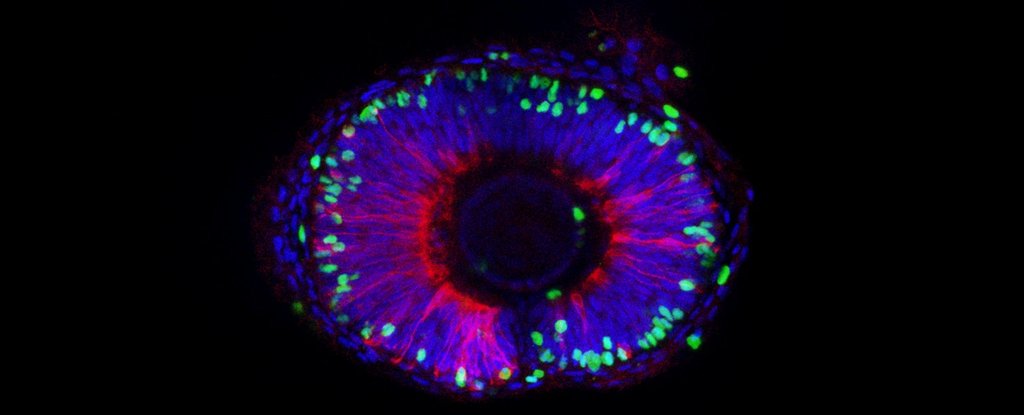
Is it possible for us humans to regenerate our eyes? Research points to a possibility.

(c) elifesciences.org
Damage to the retina is the leading cause of blindness in humans, affecting millions of people around the world. Unfortunately, the retina is one of the few tissues we humans can't grow back. 

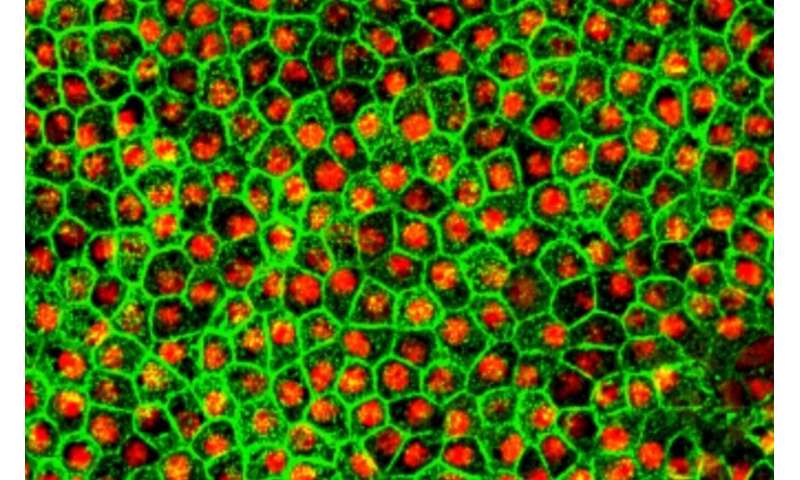
Unlike us, other animals such as zebrafish are able to regenerate this tissue that's so crucial to our power of sight. We share 70 percent of our genes with these tiny little zebrafish, and scientists have just discovered some of the shared genes include the ones that grant zebrafish the ability to grow back their retinas.

Sunday, April 19, 2020

Study finds link between poor diet and age-related macular degeneration

(c) Univ of Buffalo
Participants who ate a diet high in red and processed meat, fried food, refined grains and high-fat dairy were three times more likely to develop an eye condition that damages the retina and affects a person’s central vision, according to the results of a study conducted at University of Buffalo and published in the journal BMJ Ophthalmology.

The condition is called late-stage age-related macular degeneration (AMD). AMD is an irreversible condition that affects a person’s central vision, taking away their ability to drive, among other common daily activities.

Thursday, April 2, 2020

Embryonic stem cells for treating blindness

Researchers at Karolinska Institutet and St Erik Eye Hospital in Sweden have discovered a way to refine the production of retinal cells from embryonic stem cells for treating blindness in the elderly.

Using CRISPR/Cas9 gene editing, they also modified the cells so that they can hide from the immune system to prevent rejection.

Thursday, February 20, 2020

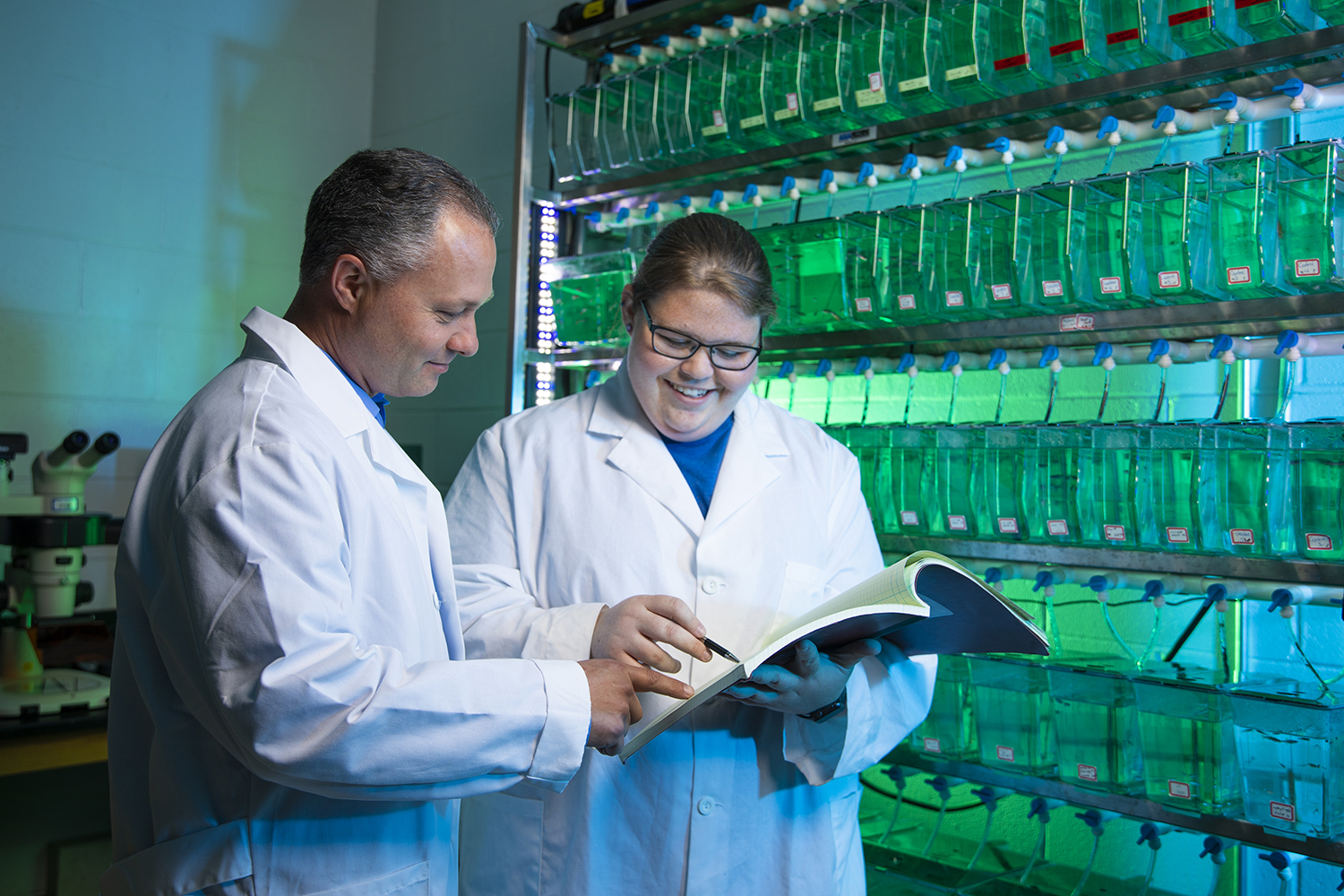
Human blindness could be cured utilizing Zebrafish's capability to regenerate its retina

Researchers are looking into how a unique characteristic of a zebrafish can regenerate retinas in humans and keep people seeing as they age.

Zebrafish might be tiny, but they come with some supersized powers. But unlike mammals, they are able to regenerate parts of their retina if they become injured. That is why researchers from Vanderbilt University Medical Center are studying how this characteristic of zebrafish can help humans dealing with age-related vision loss due to damage to the retina.

Sunday, June 30, 2019

Low-Cost OCT Retinal Scanner Could Help Prevent Blindness Worldwide

(c) Duke University
Biomedical engineers at Duke University have developed a low-cost, portable optical coherence tomography (OCT) scanner that promises to bring the vision-saving technology to underserved regions throughout the United States and abroad.

Thanks to a redesigned, 3D-printed spectrometer, the scanner is 15 times lighter and smaller than current commercial systems and is made from parts costing less than a tenth the retail price of commercial systems—all without sacrificing imaging quality.

Tuesday, June 18, 2019

Immune system may slow degenerative eye disease

A new study shows that the complement system, part of the innate immune system, plays a protective role to slow retinal degeneration in a mouse model of retinitis pigmentosa, an inherited eye disease. This surprising discovery contradicts previous studies of other eye diseases suggesting that the complement system worsens retinal degeneration. 

The research was performed by scientists at the National Eye Institute (NEI), part of the National Institutes of Health, and appears in the Journal of Experimental Medicine.


Tuesday, December 18, 2018

Injection Improves Vision in a Form of Childhood Blindness

(c) NIH
A new treatment for patients with a form of congenital retinal blindness has shown success in improving vision, according to results published today in Nature Medicine led by researchers at the Scheie Eye Institute  in the Perelman School of Medicine at the University of Pennsylvania.

Wednesday, March 7, 2018

Muller cells a key cell in preventing age-related vision loss

(c) Duke
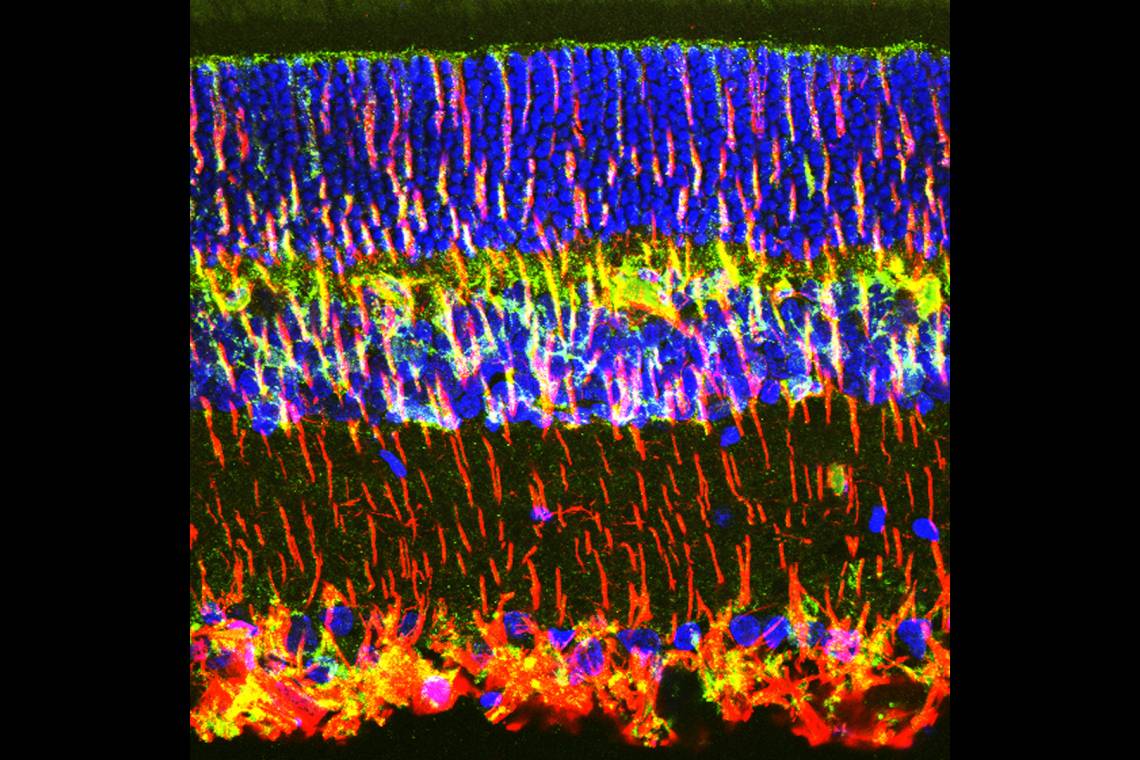
Duke researchers have pinpointed a new therapeutic target for macular degeneration. Clinical trials have shown that injection of human umbilical stem cells, or hUTC, into the retina helps preserve and restore vision in macular degeneration patients. However, the underlying mechanisms behind the therapy remain unknown. Their findings show that hUTC treatment preserves the function of a retinal cell called the Müller glia in rats with degenerative vision loss.

Monday, October 9, 2017

Gene therapy shows promise for reversing blindness

In a laboratory study in Oxford, researchers have shown how it might be possible to reverse blindness using gene therapy to reprogram cells at the back of the eye to become light sensitive.

Wednesday, June 24, 2015

Patients using Argus II report improvement in visual function and quality of life

The three-year clinical trial results of the retinal implant, popularly known as the "bionic eye," have proven the long-term efficacy, safety and reliability of the device that restores vision in those blinded by Retinitis Pigmentosa (RP), a rare, degenerative eye disease. The findings show that the Argus II significantly improves visual function and quality of life for people blinded by RP.

Monday, June 22, 2015

FDA approves device to help the blind 'see' via their tongues

The Food and Drug Administration has allowed marketing of a new device that when used along with other assistive devices, like a cane or guide dog, can help orient people who are blind by helping them process visual images with their tongues.

Friday, May 15, 2015

Researchers discover new forms of retinal blindness

Scientists from the University of Leeds have discovered six new forms of inherited blindness, each one resulting from mutations in a different gene important in eye development and vision.

Hydrogels boost ability of stem cells to restore eyesight

Scientists and engineers in Toronto have made a breakthrough in cell transplantation using a gel-like biomaterial that keeps cells alive and helps them integrate better into tissue. In two early lab trials, this has already shown to partially reverse blindness and help the brain recover from stroke.