 |
| (c) peimag.com |
Showing posts with label Bevacizumab. Show all posts
Showing posts with label Bevacizumab. Show all posts
Saturday, October 24, 2020
A commonly used anti-VEGF may not be as effective in treating diabetic macular edema in black patients

Tuesday, March 19, 2019
Neovascular AMD: Bevacizumab Injection Increases Angiogenic Biomarkers
 |
| Dr. Thiago Cabral |
Monday, December 3, 2018
A novel drug for treatment of diabetic retinopathy
 |
| (c) Centenary Institute, Sydney, Australia |
Diabetic retinopathy often occurs in diabetic patients, even when their blood sugar levels are controlled. In diabetic retinopathy, the tiny blood vessels in the retina are damaged and can leak fluid or haemorrhage, often leading to vision loss.
Tuesday, October 24, 2017
Researchers identify a key protein in Diabetic Retinopathy

Wednesday, July 15, 2015
Intravitreal bevacizumab appears to be safe in treatment of retinopathy of prematurity
The use of intravitreal bevacizumab appears to be safe in preterm infants for treatment of retinopathy of prematurity, according to a long-term multicenter study.
Wednesday, January 28, 2015
Is Avastin better than Lucentis for AMD?
A group of researchers from China have evaluated randomized controlled clinical trials from around the world to study the efficacy and safety of Avastintm (bevacizumab) versus Lucentistm (ranibizumab) in wet (neovascular) age-related macular degeneration (AMD).
Saturday, January 17, 2015
New drugs in the pipeline target novel pathways for treatment of diabetic retinopathy
 |
| from NEI |
There is exciting on-going research in the field of treatments for patients with diabetic macular edema (DME). There is a long list of drugs in the pipeline for treating this disease that affects a significant number of people around the world. Pipeline drugs target novel pathways to treat diabetic eye disease.
Friday, January 2, 2015
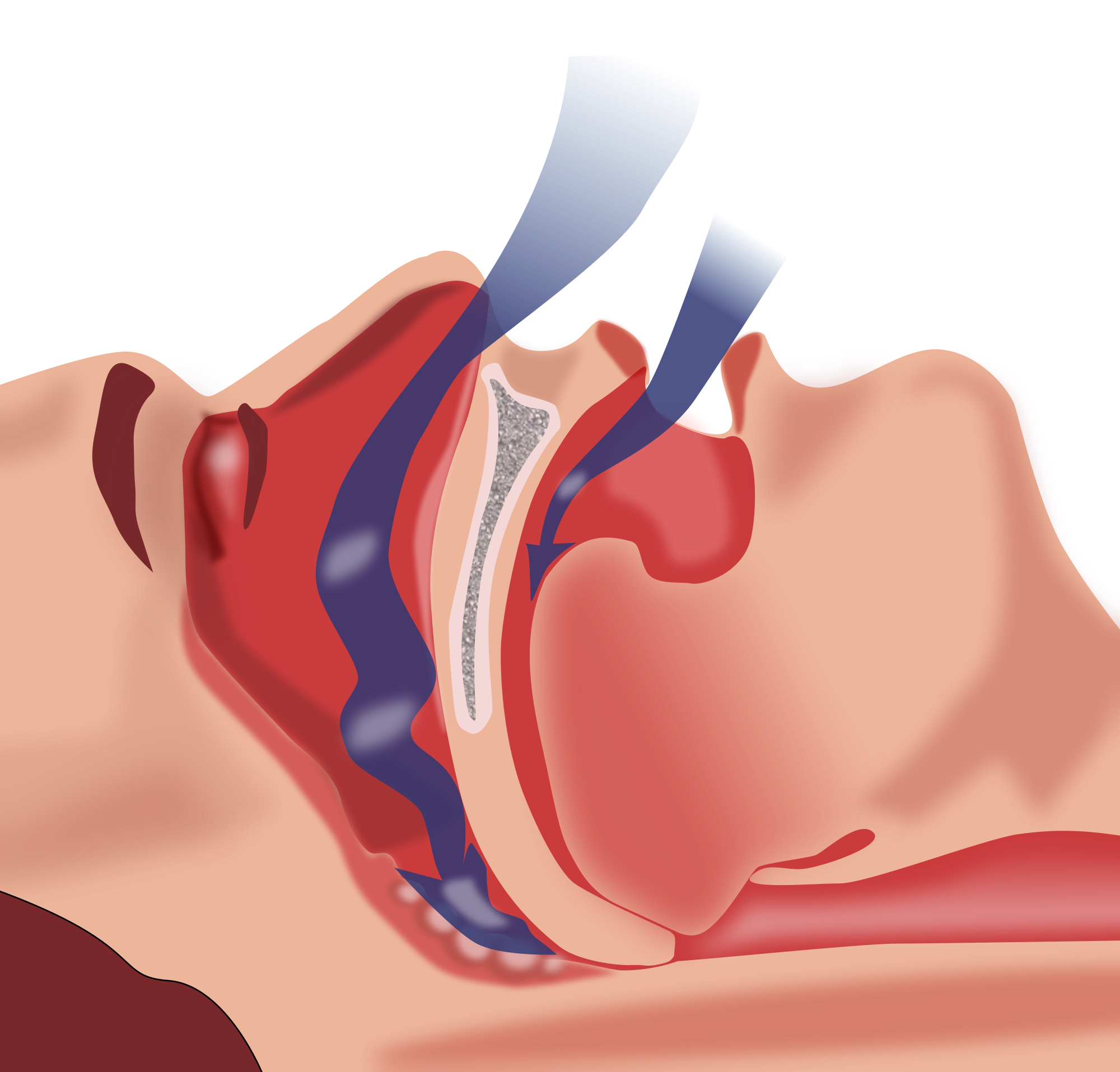
Poor Avastin responders in AMD & DME may have increased risk to obstructive sleep apnea
 |
| from Wikipedia |
Poor responders to Bevacizumab (Avastin) in patients with age-related macular degeneration (AMD) and diabetic macular edema (DME) may have increased risk to obstructive sleep apnea (OSA).
Subscribe to:
Posts (Atom)