
Showing posts with label Diabetic Macular Edema. Show all posts
Showing posts with label Diabetic Macular Edema. Show all posts
Tuesday, February 23, 2021
New therapeutic approach to treating Age-related Macular Degeneration

Tuesday, March 19, 2019
Neovascular AMD: Bevacizumab Injection Increases Angiogenic Biomarkers
 |
| Dr. Thiago Cabral |
Monday, December 3, 2018
A novel drug for treatment of diabetic retinopathy
 |
| (c) Centenary Institute, Sydney, Australia |
Diabetic retinopathy often occurs in diabetic patients, even when their blood sugar levels are controlled. In diabetic retinopathy, the tiny blood vessels in the retina are damaged and can leak fluid or haemorrhage, often leading to vision loss.
Friday, March 9, 2018
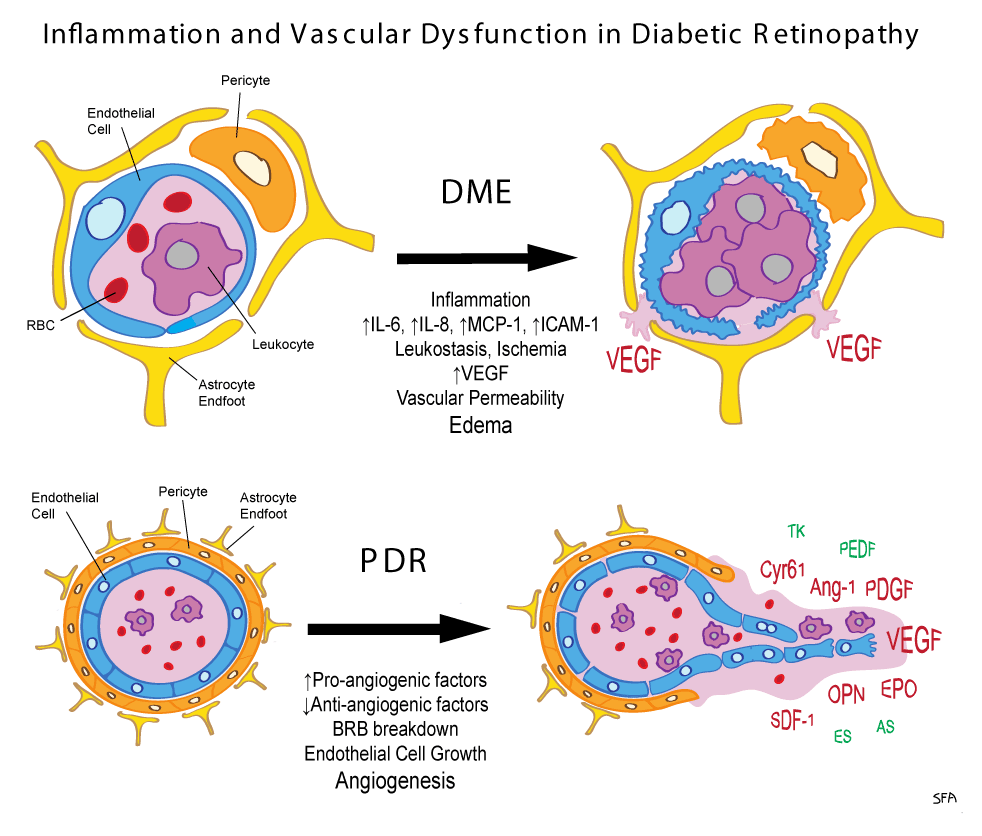
A Biomarker could predict response of intravitreal injections in Diabetic Macular Edema
 |
| (c) OMICS |
Monday, February 12, 2018
RG7716 improves visual acuity in subjects with Diabetic Macular Edema in a Phase 2 study
 |
| (c)Pharmacodia.com |
Thursday, June 25, 2015
Results in Ocuvia Diabetic Macular Edema Study show promise
ReVIEW study outcomes so far indicated that Ocuvia, a investigational topical ophthalmic formulation to treat the underlying defects in mitochondria in retinal diseases, shows promise in patients with diabetic macular edema.
Tuesday, April 14, 2015
New research reveals significant burden for patients being treated for sight threatening retinal disease

New data presented at the 6th World Congress on Controversies in Ophthalmology shows that the intravitreal injection regimens associated with treating retinal disease can have a detrimental effect on a patient’s quality of life.
Saturday, January 17, 2015
New drugs in the pipeline target novel pathways for treatment of diabetic retinopathy
 |
| from NEI |
There is exciting on-going research in the field of treatments for patients with diabetic macular edema (DME). There is a long list of drugs in the pipeline for treating this disease that affects a significant number of people around the world. Pipeline drugs target novel pathways to treat diabetic eye disease.
Friday, January 2, 2015
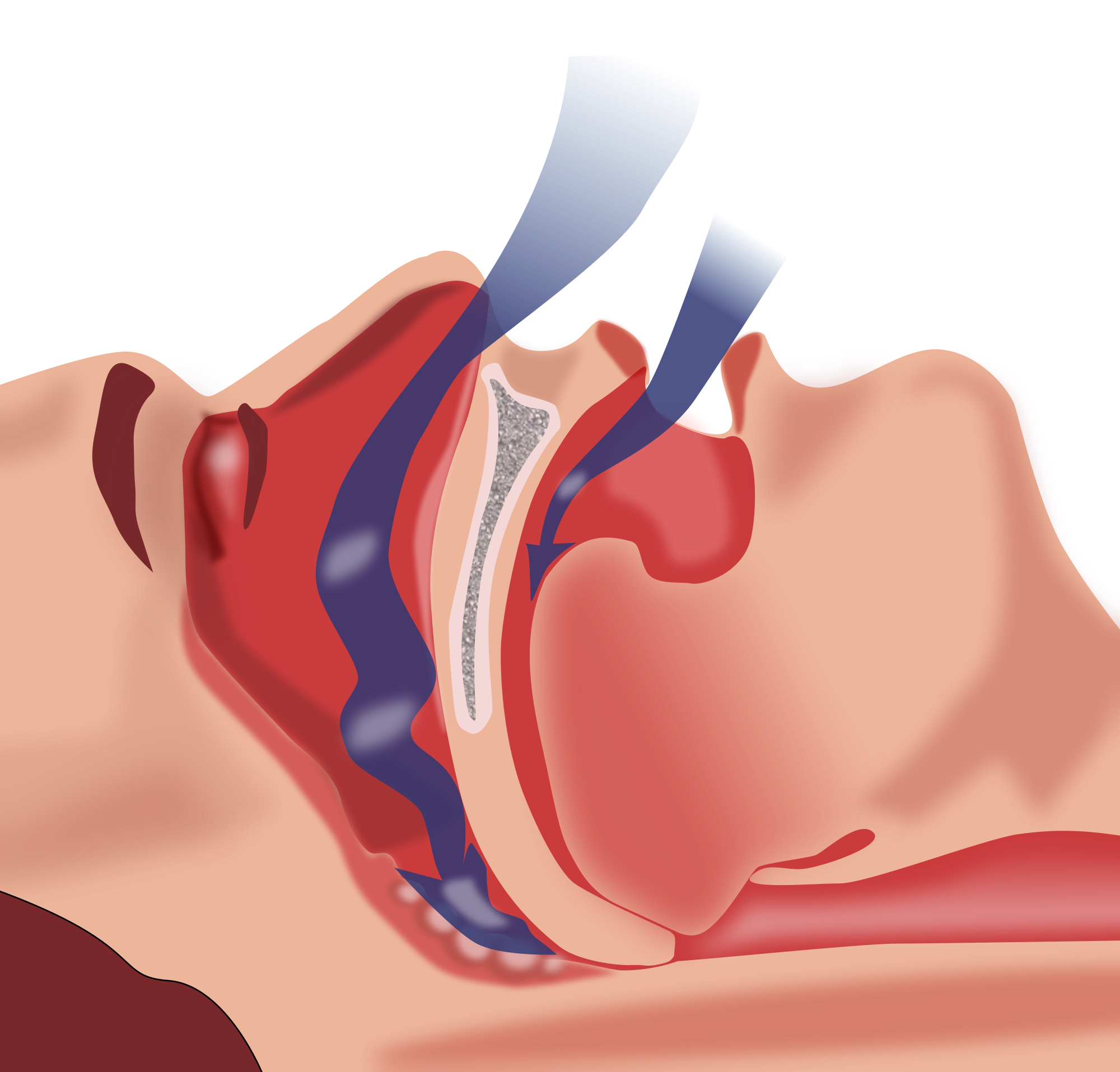
Poor Avastin responders in AMD & DME may have increased risk to obstructive sleep apnea
 |
| from Wikipedia |
Poor responders to Bevacizumab (Avastin) in patients with age-related macular degeneration (AMD) and diabetic macular edema (DME) may have increased risk to obstructive sleep apnea (OSA).
Tuesday, December 23, 2014
Eyedrops in development for treating conditions such as AMD and Diabetic macular edema
Eye drops are being developed for treating
retina that will likely eliminate the need to inject compounds to the back of
the eye in conditions such as age-related macular degeneration and diabetic macular edema.
 |
| From Scifluor |
Wednesday, July 30, 2014
EYLEA® (aflibercept) Injection Receives FDA Approval for the Treatment of Diabetic Macular Edema (DME)
Regeneron Pharmaceuticals, Inc. have announced that US FDA has approved EYLEA® (aflibercept) Injection for the treatment of Diabetic Macular Edema (DME).
The recommended dosage of EYLEA in patients with DME is 2 milligrams (mg) every two months (8 weeks) after five initial monthly injections. Although EYLEA may be dosed as frequently as 2 mg every 4 weeks, additional efficacy was not demonstrated when EYLEA was dosed every 4 weeks compared to every 8 weeks.
EYLEA is the first VEGF inhibitor approved for dosing on a less than monthly basis for the treatment of DME.
The recommended dosage of EYLEA in patients with DME is 2 milligrams (mg) every two months (8 weeks) after five initial monthly injections. Although EYLEA may be dosed as frequently as 2 mg every 4 weeks, additional efficacy was not demonstrated when EYLEA was dosed every 4 weeks compared to every 8 weeks.
EYLEA is the first VEGF inhibitor approved for dosing on a less than monthly basis for the treatment of DME.
Subscribe to:
Posts (Atom)