Monday, December 3, 2018

A novel drug for treatment of diabetic retinopathy

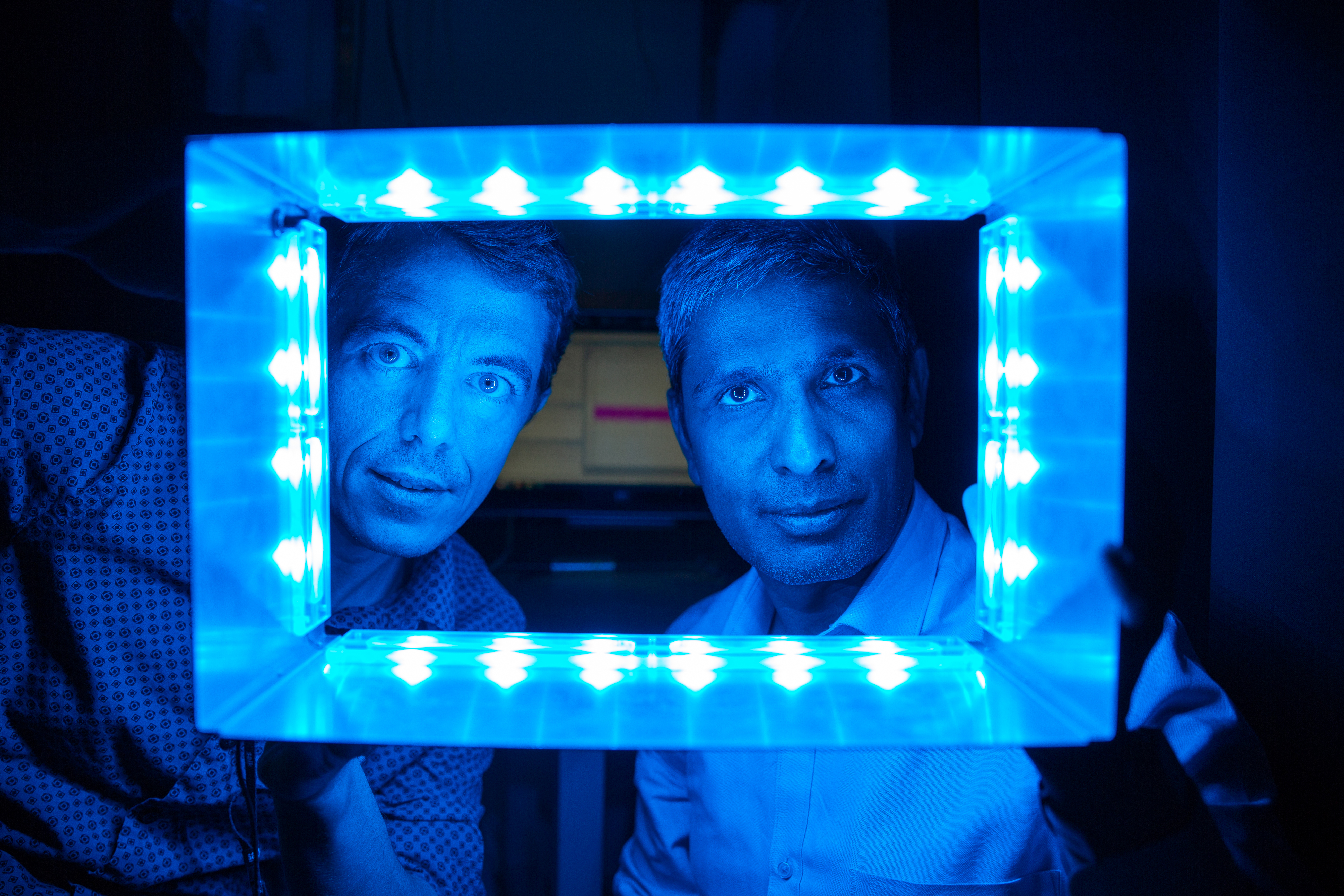
(c) Centenary Institute, Sydney, Australia
Scientists at the Centenary Institute have developed a novel drug which could potentially be used to effectively treat patients with diabetic retinopathy.

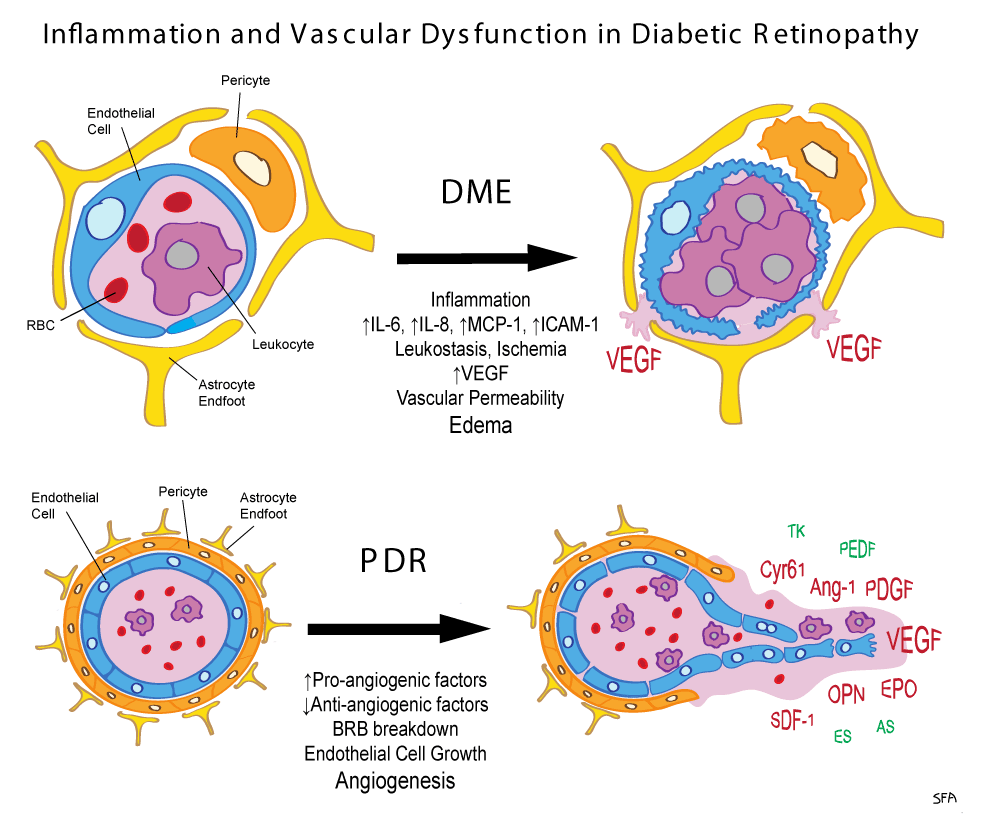
Diabetic retinopathy often occurs in diabetic patients, even when their blood sugar levels are controlled. In diabetic retinopathy, the tiny blood vessels in the retina are damaged and can leak fluid or haemorrhage, often leading to vision loss.

Wednesday, November 28, 2018

Minimally invasive retinal detachment treatment offers patients better outcomes

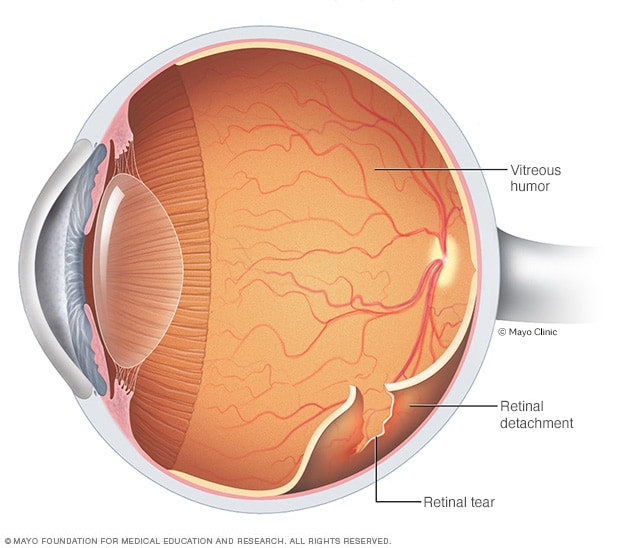
(c) Mayo Clinic
A minimally invasive treatment for retinal detachment gives patients sharper vision, less distortion and reduced side-effects, according to the findings of a randomized controlled trial. The findings have been published in Ophthalmology, the journal of the American Academy of Ophthalmology.

Why screen time on digital devices such as computers and phones disrupt sleep?

(c) Salk Institute
For most, the time spent staring at screens—on computers, phones, iPads—constitutes many hours and can often disrupt sleep. Now, Salk Institute researchers have pinpointed how certain cells in the eye process ambient light and reset our internal clocks, the daily cycles of physiological processes known as the circadian rhythm. When these cells are exposed to artificial light late into the night, our internal clocks can get confused, resulting in a host of health issues.

Sunday, March 25, 2018

LCA patients gain benefit from Spark Therapeutics' gene therapy treatment, Luxturna

(c) Mass Eye & Ear
With the approval of Spark Therapeutics' Luxturna for Leber's Congenital Amaurosis (LCA), eye institutions around the US have started offering the treatment to their patients. In recent days, we have heard of this treatment being offered for the first time after the approval in Massachusetts Eye and Ear in Boston, followed the same day by the Children's Hospital of Los Angeles. A few days later, Bascom Palmer Eye Institute completed its first case.

Monday, March 19, 2018

Retinal cells derived from Stem Cells help treat Age-related Macular Degeneration (AMD)

(c) UCSB
In the months before Douglas Waters’ surgery, his vision was poor and he couldn’t see anything out of his right eye due to severe age-related macular degeneration (AMD). He struggled to see things clearly, even when up close. After the surgery, his eyesight improved so much that he could read the newspaper and help his wife with gardening.

Regeneron's PANORAMA study for Eylea in Diabetic Retinopathy shows Promise

(c) PMLive
Regeneron Pharmaceuticals, Inc. announced positive topline data from its Phase III PANORAMA clinical trial of Eylea (aflibercept) injection in moderately severe to severe non-proliferative diabetic retinopathy. Diabetic retinopathy, which affects about eight million people, is the result of microvascular damage to the blood vessels in the retina related to lack of blood sugar control in diabetic patients.

Friday, March 9, 2018

A Biomarker could predict response of intravitreal injections in Diabetic Macular Edema

(c) OMICS
Researchers at St. Michael’s Hospital have found an association with a biomarker from aqueous fluid in the eye that predicts which patients will respond best to current treatments for diabetic macular edema. Their findings suggest this biomarker may be not only a marker of disease severity and anatomic response but also a potential therapeutic target in DME, recognizing that in patients with DME, there is not always a direct correlation between anatomic and visual acuity response.